Benefits of Cloud-Based POS Systems for Restaurants and Hotels

Unlike legacy and on-premise POS, cloud based POS systems update automatically, scale on demand, and integrate with third-party tools conveniently. These systems are truly built for hospitality: fast-paced, multi-channel, and always-on.
Discover key benefits of cloud based POS for restaurants and hotels in this blog.
You Might Also Like: What Is a Hospitality POS System and How It Helps Improve Operations
- Lower Costs Without Sacrificing Power
One of the biggest myths about cloud POS systems is that they are expensive.
According to Deloitte Insights, hotels that switched to cloud systems cut IT costs by 30–40% annually. They also reported improved system reliability. For restaurants, eliminating bulky servers and reducing maintenance overhead means more budget for where it counts: guest experience.
- Lower upfront investment. Cloud POS conveniently runs on affordable iPads or tablets. No need to spend thousands on proprietary terminals to get started.
- Subscription-based pricing. Whether you're a food truck or a 200-room resort, you can pay monthly or annually, with plans that scale as your business grows.
- Automatic updates included. Software stays current without paying for version upgrades or scheduling system downtime.
Check Out: Common Hotel POS System Problems and Their Solutions
- Run Your Business from Anywhere in the World
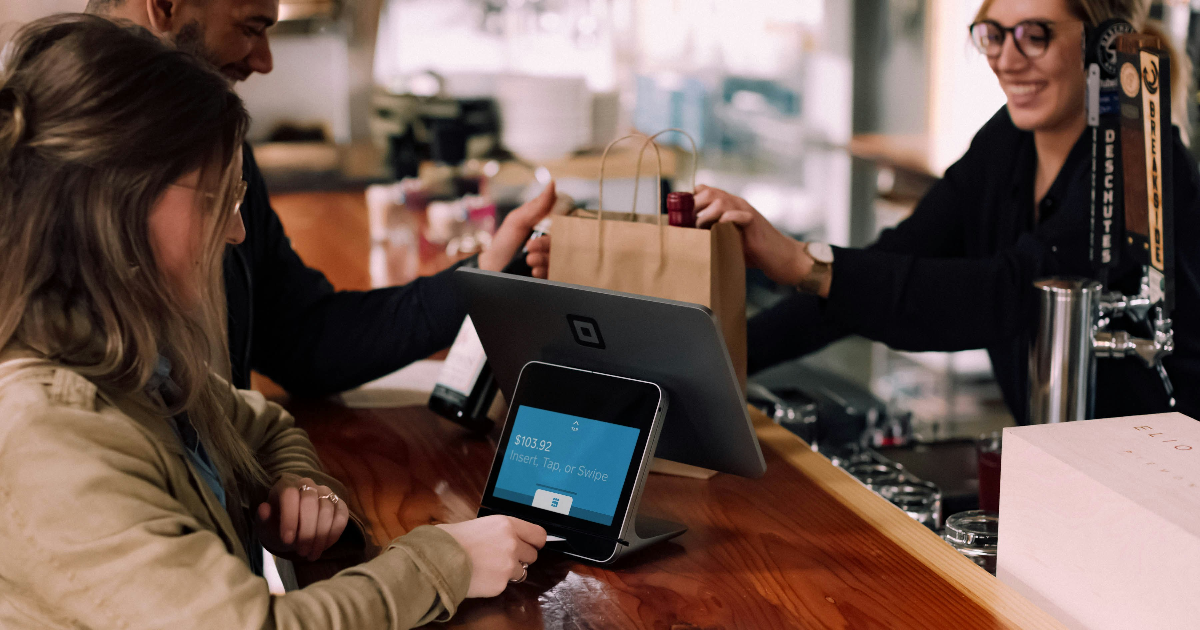
With a cloud based POS system, your entire operation is accessible from your phone, tablet, or laptop. You can access it during supplier meetings, review numbers from home, or manage multiple properties across different cities.
According to a 2024 industry study, 38% of restaurants now use POS systems that support real-time management across both in-store and online operations. This kind of visibility used to be reserved for enterprise chains with dedicated IT teams.
- Monitor live sales. Check revenue, table turnover, and staff performance without being physically present.
- Update menus on the fly. Change prices, add seasonal specials, or 86 a dish mid-service, across all terminals.
- Multi-location control. For hotel groups or restaurant chains, manage all outlets from one centralized enterprise dashboard. See Aireus Enterprise Manager.
Explore: Best Label POS System Providers (Updated List)
- Real-Time Data That Actually Drives Decisions
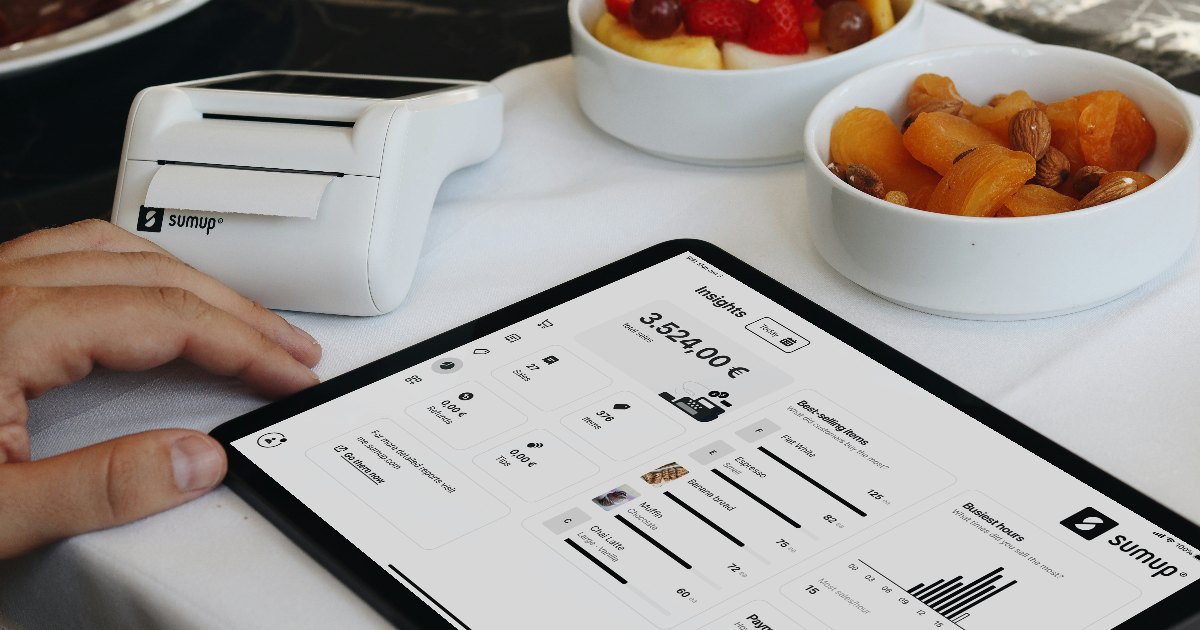
Legacy POS systems typically generate end-of-day reports, by which point the insights are already outdated. Cloud POS platforms give you live reports and analytics, letting you spot trends, respond to gaps, and optimize in the moment.
A report by Hospitality Technology found that 80% of hotels using cloud technology saw improved decision-making. This was directly attributed to instant data visibility.
- Sales trend detection. Identify your best-selling dishes or highest-revenue hours without manually digging through spreadsheets.
- AI-powered forecasting. Platforms like Aireus AI Analytics use machine learning to predict demand, reduce waste, and optimize staffing before problems arise.
- Custom reporting. Pull granular reports by outlet, server, time period, or menu item.
You Might Also Like: Apple POS – Complete Guide for Retailers, Restaurants, and Hotels
- Faster Service, Happier Guests
Speed is currency in hospitality. Every extra minute a guest waits for their order, their bill, or their room is a friction point that chips away at their experience.
Cloud based POS systems directly address; they facilitate mobile ordering, tableside payment, kitchen display integration, and more.
- Tableside ordering. Servers capture orders directly at the table and send them to the kitchen instantly without any re-entry or lost tickets.
- Smart KDS integration. Kitchen display systems eliminate paper tickets entirely, reducing errors and speeding up prep.
- Mobile guest ordering. Let guests order from their own devices via QR code menus, reducing wait times and freeing up staff. Explore Mobile Guest Ordering.
Check Out: How to Use AI in Restaurants? Expert Guide

- Security That Keeps You and Your Guests Protected
Traditional local servers are frequent ransomware targets. This is especially true in hospitality, where updates are often delayed, and IT resources are limited.
In the hospitality sector, one in three businesses has faced a data breach. The average loss is $3.4 million per incident.
Cloud based POS service providers address this with enterprise-grade encryption. They offer automatic security updates, PCI-DSS compliance, and 99.9% uptime SLAs.
- End-to-end encryption. All transaction and guest data is encrypted in transit and at rest, meeting global payment security standards.
- Automatic backups. With no single point of failure, catastrophic data loss is avoided even if hardware fails.
- GDPR & PCI-DSS compliance. Cloud POS providers maintain compliance across jurisdictions, reducing legal exposure significantly.
Explore: Apple Restaurant POS Software – Aireus POS
- Seamless Integrations That Tie Your Operation Together
A POS system that operates in isolation is a missed opportunity.
The real power of cloud architecture lies in its open API ecosystem, as it connects your point-of-sale directly to the tools that run every part of your business.
- PMS integration for hotels. Charges post directly to guest folios in real time, eliminating the need for manual reconciliation at checkout. Critical for resort and hotel F&B operations.
- Delivery platform sync. Connect with Uber Eats, DoorDash, and other platforms so that in-house and delivery orders flow into one unified system.
- Loyalty & CRM tools. Build guest loyalty with integrated reward programs that track preferences and purchase history automatically. Learn more about Loyalty Programs here.
- Interface partners. Aireus connects with an extensive partner ecosystem covering accounting, inventory, reservations, and more. Explore Interface Partners.
You Might Also Like: Aireus Connectivity & Offline Mode

- POS That Scales With You, From One Café to a Multi-Resort Chain
Growth isn’t always predictable. A cloud based POS grows with you, without requiring costly infrastructure replacement.
Businesses using scalable cloud solutions experience up to 50% faster market expansion compared to those still running traditional systems. For hotel groups, this can mean the difference between opening a new outlet in weeks versus months.
- White-label options. For larger operators or tech entrepreneurs, white-label POS solutions let you brand the entire platform as your own. Learn more: What is White Label POS Software?
- Add terminals instantly. Whether it's a poolside bar or a pop-up event space, adding a new point of sale takes minutes.
- Franchise & multi-unit control. Maintain brand consistency across multiple locations while giving each property the flexibility it needs.
Ready to modernize your operations? Reach out to AireusPOS and discover an AI-powered, Apple-based POS built specifically for restaurants, hotels, and resorts.
FAQs (Frequently Asked Questions)
Q. Is a cloud-based POS system secure enough for handling payment data?
A. Yes, and in most cases, more secure than on-premise alternatives. Reputable platforms like Aireus maintain enterprise-grade infrastructure with 99.9% uptime guarantees and continuous data backups.
Q. What happens if my internet goes down? Does the POS stop working?
A. Most modern cloud POS systems have an offline mode. You can continue processing orders and payments during outages. Transactions queue locally and sync automatically once connectivity is restored. Explore more on connectivity & offline POS.
Q. How long does it take to set up a cloud POS system in a restaurant or hotel?
A. Most cloud POS implementations go live within 1–2 weeks for restaurants, taking slightly longer for multi-outlet hotel properties. Staff typically become proficient within 2–3 days on iPads. Providers like Aireus offer dedicated training and installation support.
Q. Is a cloud POS suitable for small businesses, or is it only for large chains?
A. Cloud POS systems are more beneficial for small and medium businesses than large chains. They remove the need for expensive servers and IT staff, offer flexible subscription pricing, and scale as you grow. A single-location café can access enterprise-grade features without the enterprise price tag.
Q. What's the difference between an iPad-based POS and a traditional POS terminal?
A. Traditional POS terminals use proprietary hardware, local servers, and often require technicians. iPad-based systems run on Apple’s secure ecosystem, update automatically, and can be redeployed easily. They’re also more mobile, offering ease in tableside ordering, poolside payments, etc.